Source Monocular Telescope for Travel, Bird Watching, and Gifts
Explore 30 listings of monocular telescope options with varying magnification, aperture, and materials. Buyers can compare specifications like weight, size, and customization support to find suitable units for travel, bird watching, or gifting purposes; compare the available evidence and request quotations based on your requirements.
Key considerations
Products List
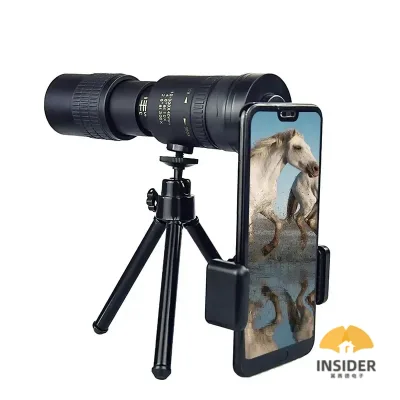


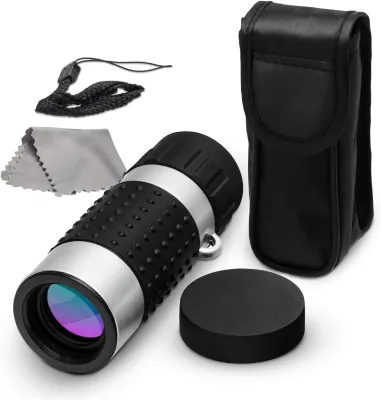
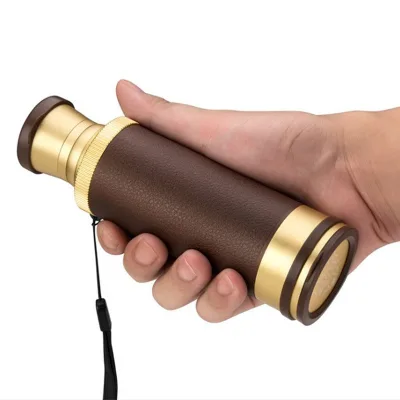

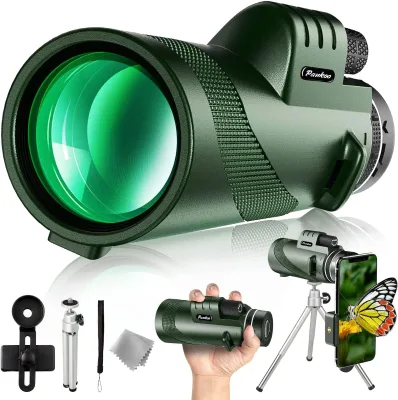
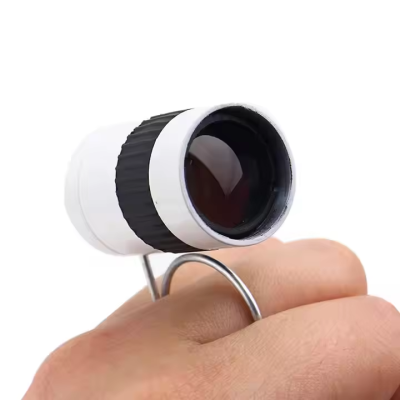
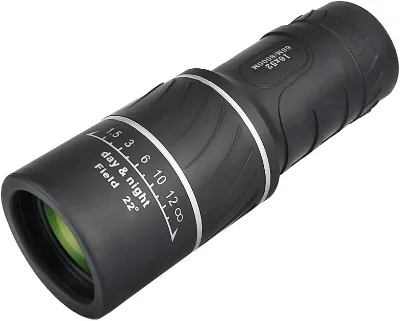

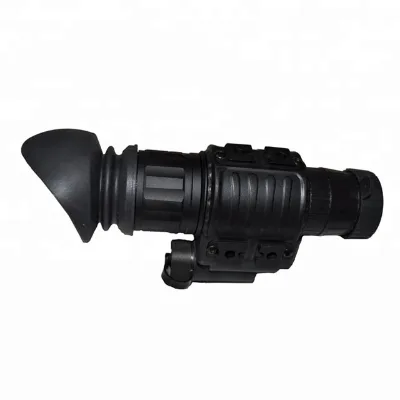
Comprehensive Sourcing Guide
Monocular Telescope Sourcing Guide
Sourcing monocular telescopes requires a clear understanding of the diverse product landscape available from manufacturers, particularly those originating from regions like Henan, China. Buyers must navigate a wide array of listings that vary significantly in intended use, ranging from children’s toys and travel gifts to more serious bird watching and hunting applications. The observed market signals indicate a high volume of listings, with actual product counts reaching thirty distinct items, suggesting a robust supply chain but also a need for careful filtering to identify suppliers who match specific quality and functional requirements.
Procurement teams should recognize that the term "monocular telescope" often encompasses a broad spectrum of optical devices, including zoom lenses, refractor structures, and even reflector types, despite the latter being less common for this form factor. It is critical to distinguish between products marketed as simple toys and those designed for professional or semi-professional observation. The presence of attributes such as "Night Vision" or "Waterproof" functions in some listings introduces additional complexity, requiring buyers to verify these claims against actual product specifications rather than relying solely on marketing keywords or generic category tags.
Product Scope and Observed Listing Signals
The current market for monocular telescopes exhibits a wide price range, observed between 1.6 and 1500 USD, which reflects the disparity between basic plastic models and higher-end optical instruments. This variance is closely tied to the minimum order quantity (MOQ), which ranges from 1 to 420 units, allowing for both sample procurement and bulk industrial purchasing. Buyers should note that while some suppliers offer low MOQs for customization, others may require larger commitments for OEM branding, which includes customized color and logo printing services.
Product attributes reveal a mix of materials, with common constructions involving ABS plastic, metal, and glass lenses, though some listings specify plastic with resin lenses, indicating a lower tier of durability. The physical dimensions also vary, with single package sizes noted around 35x28x32 cm and weights ranging from 156g to 18kg for gross packaging, highlighting the difference between individual unit weight and shipping bulk. Understanding these physical specifications is essential for logistics planning, as the discrepancy between net and gross weight can significantly impact shipping costs and storage requirements for large orders.
Technical Specifications to Verify
When evaluating technical specifications, buyers must prioritize the verification of magnification and objective aperture, as these define the optical performance of the device. Observed data suggests magnification levels typically fall between 10x and 30x, with some standards citing 8x or 700x, which may indicate a misunderstanding of zoom capabilities or marketing exaggeration. The objective aperture is frequently listed as less than 30mm or greater than 50mm, creating a contradiction that requires direct clarification with the supplier to ensure the product meets the intended light-gathering requirements for the specific usage scenario.
Focusing mechanisms and lens types are another critical area for verification, with center focusing being a common feature in the observed listings. Buyers should confirm whether the device utilizes a zoom lens or a fixed focal length, as this impacts the versatility of the telescope for different viewing distances. Additionally, the structure of the telescope, whether refractor or reflector, affects the optical path and image quality, so procurement teams should request detailed optical diagrams or specifications to ensure the design aligns with the desired image clarity and field of view, which is observed to range from 80.5m to 45.5m at various distances.
Compliance and Safety Documentation
Compliance and safety documentation are paramount, especially when sourcing monocular telescopes that may be marketed as toys or gifts for children. Buyers must ensure that suppliers provide relevant safety certifications, such as those for material toxicity and mechanical safety, to mitigate risks associated with small parts or hazardous materials. Although specific certification statuses are not provided in the observed data, it is standard practice to require proof of compliance with international safety standards, particularly for products intended for use in regions with strict regulatory environments like the European Union or North America.
Furthermore, buyers should verify the warranty terms offered by suppliers, with observed warranties typically lasting one year. This warranty period serves as a baseline for assessing supplier confidence in product durability and quality. Procurement teams should also inquire about the return and replacement policies for defective units, ensuring that there is a clear mechanism for addressing quality issues that may arise during the initial use phase. Clear documentation of these terms helps protect the buyer from financial loss and ensures a smoother post-purchase experience.
Cost Drivers and Commercial Terms
Cost drivers for monocular telescopes include the complexity of the optical system, the materials used in construction, and the level of customization required. Products featuring waterproof and fogproof functions, as well as night vision capabilities, typically command higher prices due to the additional engineering and sealing technologies involved. Buyers should analyze the cost breakdown to understand how much of the price is attributed to the optical components versus the housing and packaging, which can help in negotiating better terms for bulk orders.
Commercial terms such as payment methods, shipping arrangements, and lead times are critical components of the procurement process. While specific lead times are not provided in the observed data, buyers should establish clear expectations with suppliers regarding production schedules, especially for OEM orders that involve custom branding. It is advisable to include clauses in the purchase agreement that address delays and penalties, ensuring that the supply chain remains reliable and that the buyer can plan their inventory and sales strategies accordingly without unexpected disruptions.
Supplier Qualification and Quality Control
Supplier qualification involves assessing the manufacturer’s capability to produce consistent quality products, particularly given the observed variations in product attributes and specifications. Buyers should request samples to evaluate the build quality, focusing on the durability of the ABS or metal housing and the clarity of the glass lenses. It is also important to verify the supplier’s ability to handle customization requests, such as logo printing and color changes, without compromising the structural integrity or optical performance of the device.
Quality control measures should be established to ensure that the final products meet the agreed-upon standards. This may include implementing pre-shipment inspections to check for defects in the lens coating, focusing mechanism, and overall assembly. Buyers should also consider the supplier’s track record in handling returns and addressing quality issues, as this can provide insights into their commitment to customer satisfaction and product reliability. Establishing a strong quality control protocol helps minimize the risk of receiving substandard products and ensures that the monocular telescopes meet the expectations of the end-users.
Long-Term Procurement Checks
Long-term procurement checks involve monitoring the supplier’s performance over time to ensure consistent quality and reliability. Buyers should regularly review feedback from end-users regarding the durability and performance of the monocular telescopes, using this data to identify any recurring issues or areas for improvement. This feedback loop is essential for maintaining product quality and ensuring that the supplier continues to meet the evolving needs of the market.
Additionally, buyers should stay informed about changes in the optical technology and market trends that may impact the relevance of the current product offerings. This includes keeping an eye on advancements in lens materials, focusing mechanisms, and additional features like digital integration or enhanced night vision capabilities. By staying proactive in these checks, procurement teams can ensure that their sourcing strategy remains competitive and aligned with customer expectations, fostering a sustainable and successful long-term partnership with the supplier.
FAQs
What is the magnification range for this monocular telescope?
The magnification range is 10 to 30 times for this specific monocular telescope model. This optical power allows users to view distant objects clearly while maintaining a stable image during handheld use or travel scenarios.
Can I request custom branding for this monocular telescope?
Yes, customized support including OEM and ODM services is available for this product. Buyers can request custom color and logo printing to align the monocular telescope with their specific brand identity or corporate gifting requirements.
What is the minimum order quantity for this monocular telescope?
The minimum order quantity is one single item for this monocular telescope. This low threshold allows buyers to test the product quality before committing to larger bulk orders for wholesale distribution or retail inventory.
Which materials are used to construct this monocular telescope?
This monocular telescope is constructed from ABS plastic, metal, and glass components. The combination of these durable materials ensures the device remains lightweight yet robust enough for outdoor activities like bird watching or hunting.
How long is the warranty period for this monocular telescope?
The warranty period for this monocular telescope is one full year from the date of purchase. This coverage provides buyers with assurance regarding product durability and protection against potential manufacturing defects during normal usage.
What is the objective aperture size for this monocular telescope?
The objective aperture size varies, with some models featuring sizes under 30mm and others exceeding 50mm. This variation allows buyers to select a specific monocular telescope configuration that best suits their intended viewing distance and light conditions.
Where is this monocular telescope manufactured and shipped from?
This monocular telescope originates from Henan, China, as indicated by the place of origin. Buyers sourcing this item should expect the manufacturing and initial shipping logistics to be managed from this specific region in China.